

The Faraday hat is an EMF protection hat that blocks radio waves from being transmitted to your brain. Click for more is a tinfoil helmet which is used extensively by those suffering from Electromagnetic Hypersensitivity (EHS).
The tin foil hat works as a Faraday cage, an enclosure that shields its interior from electrostatic charges and electromagnetic radiation by spreading them out around the outside of the cage.
Do Faraday Cages Work
A Faraday cage can be described as a metal object that functions like an electric conductor. If faraday hat is brought in contact with it, free electrons inside the conductive material instantly realign themselves, and cancel out the charged field.
The effectiveness of a Faraday cage is contingent on its design, size, and choice of construction materials. It is also important that they are accessible to ground and have gaps and seams that are minimized.
The best Faraday cages block both static electric charges and electromagnetic waves, securing those conducting sensitive research that are affected by radiated radiation. MRI scanning rooms, for instance must be protected by a Faraday cage to prevent external waves from disrupting the imaging process for diagnostic purposes.
Despite their incredible effectiveness, Faraday cages aren't completely safe. Electrons can still penetrate through a Faraday cage and cause damage to electronics within. This is why they're often utilized in labs that are high-powered to minimize interference and noise. They also offer protection from electromagnetic pulses (EMPs) which are high-energy weapons designed for neutralizing electronic devices.
What is Faraday Fabric? Works
Whether it's radio waves, Wi-Fi, cell towers or other electromagnetic radiation sources, interference can make the connections unreliable and cause disruption to the function of devices. In the end, many vital components are wrapped with protective materials such as copper foil to protect them.
But, these cages made of metal can be awkward and bulky. Researchers from Drexel University have developed a Faraday fabric that is pliable, durable and washable.
This fabric is made from a 2D material called MXene, and it can block almost all electromagnetic waves. In the future, clothes with this technology could be used to shield clothing from interference , as well as individuals from harmful radiation.
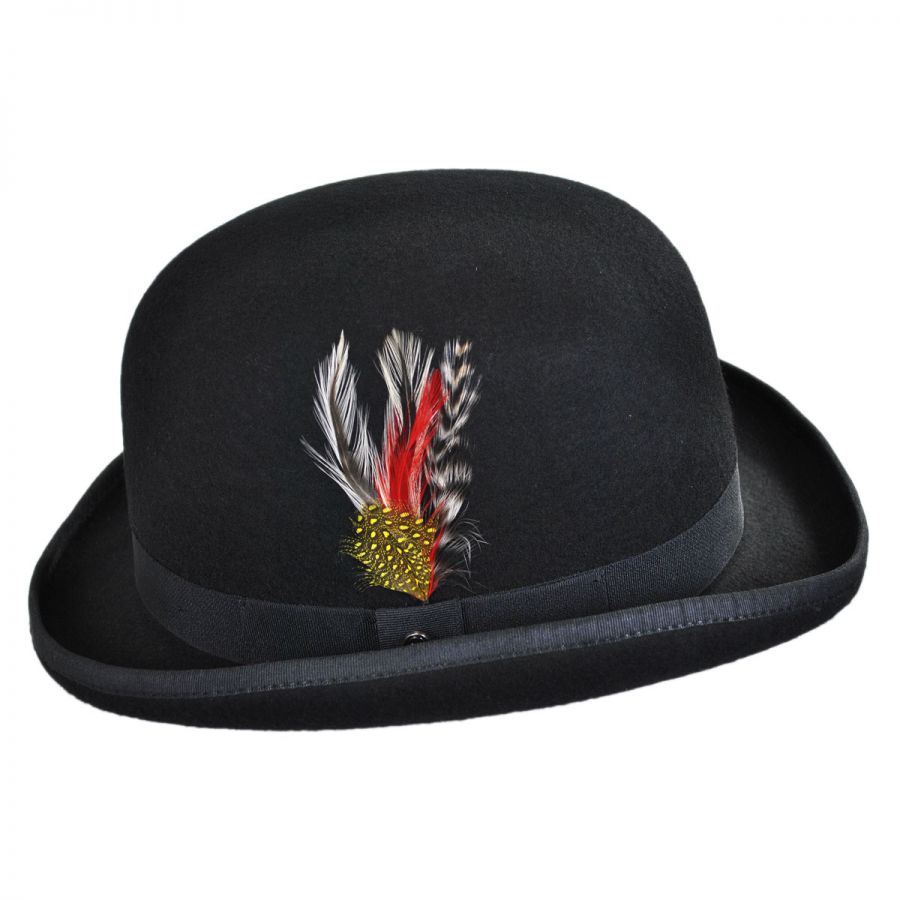
Although this technology is currently in development however, it's a fascinating concept for clothing. The team hopes that this new fabric will lead to clothing equipped with RFID-blocking pockets. faraday cage hat would be helpful for those who want to keep their devices away from their heads while using their devices. This would also help prevent an issue that is common to health - radiation causing brain tumors.
Faraday Cages Versus Faraday Fabric
If you're unfamiliar with Faraday cages, here's how they work If electromagnetic fields are brought into contact with metal conductors , like aluminum mesh this causes the positive and negative particles to be separated. The redistribution of charge eliminates any electromagnetic waves that come in.
It's this process that permits utility workers to work near power lines without fear of being electrocuted. It also helps to keep the military equipment and telecommunications devices safe from interference.
However, Faraday cages can be expensive, and aren't ideal for daily use. This is where Faraday fabric comes in.
Faraday Fabric Versus Tin Foil
If you've ever heard of Faraday cages, you'll know they're nothing more than a conductor that is all-encompassing that swerves electromagnetic radiation before it gets to sensitive electrical components contained within. This type of shielding is used in elevators, the scan rooms where MRI machines are located within, "booster bags" that shoplifters utilize to bypass electronic security tags, and even within your microwave oven at home.
However, can a tin foil cap really be considered a Faraday cage?
To completely block radio waves the Faraday cage should be completely enclosed and sealed.
However, a tin-foil cap doesn't have enough space to accomplish this and that's why it only partially blocks radiation.
Additionally, tin foil hats can amplify radio signals. They supposedly do this by making use of resonance.